A dog that suddenly hesitates at the stairs, struggles to stand after a nap, or seems slower on walks is telling you something. Many pet owners ask, can dogs get physical therapy? They can, and in the right situation, it can make a real difference in comfort, mobility, and recovery.
Physical therapy for dogs, often called veterinary rehabilitation, is not a luxury service for elite athletes. It is a medical tool used to help pets heal after surgery, rebuild strength after injury, manage pain, and stay active as they age. For some dogs, it shortens recovery. For others, it improves daily quality of life in a way families can see at home.
Can Dogs Get Physical Therapy for Common Health Issues?
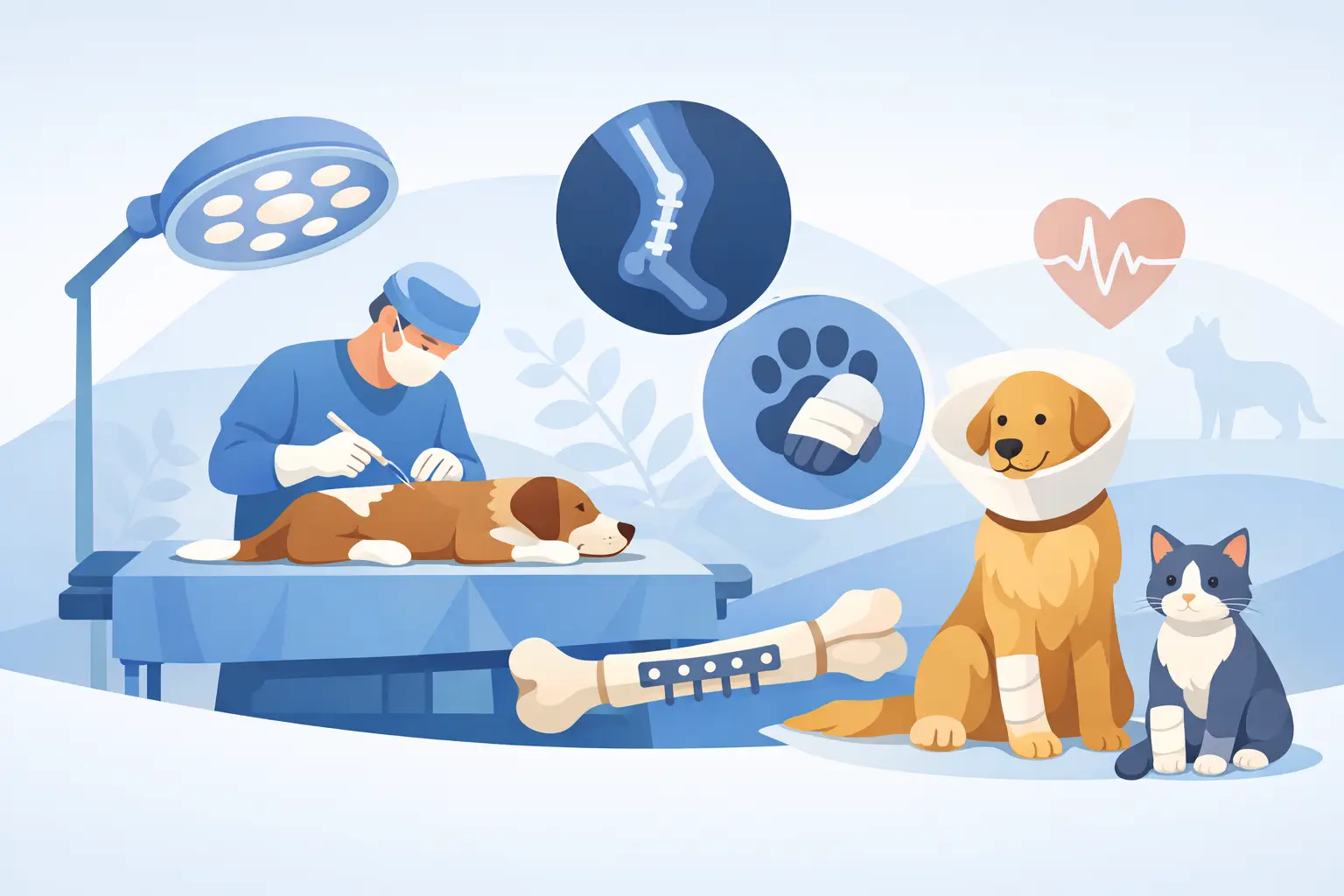
Yes, and the range of dogs who may benefit is broader than many people expect. Rehabilitation is often recommended after orthopedic procedures such as TPLO surgery, fracture repair, or other soft tissue and joint surgeries. It can also help dogs recovering from neurologic problems, including certain spinal injuries or weakness that affects balance and coordination.
Not every patient is a post-surgical case. Senior dogs with arthritis, dogs with chronic joint pain, overweight pets who have lost muscle tone, and active dogs with strains or overuse injuries may also benefit. In some cases, physical therapy is used alongside medical treatment to support healing. In others, it becomes part of long-term management when a condition cannot be fully cured but can be better controlled.
The right plan depends on the dog. A young Labrador recovering from knee surgery needs a different approach than an older small-breed dog with arthritis in the hips and back. That is why rehabilitation should be based on a veterinary exam, diagnosis, and a tailored treatment plan rather than a one-size-fits-all routine.
What Dog Physical Therapy Actually Includes
When people hear “physical therapy,” they sometimes picture a single exercise or a treadmill session. In reality, veterinary rehabilitation can involve several therapies chosen for a specific medical goal.
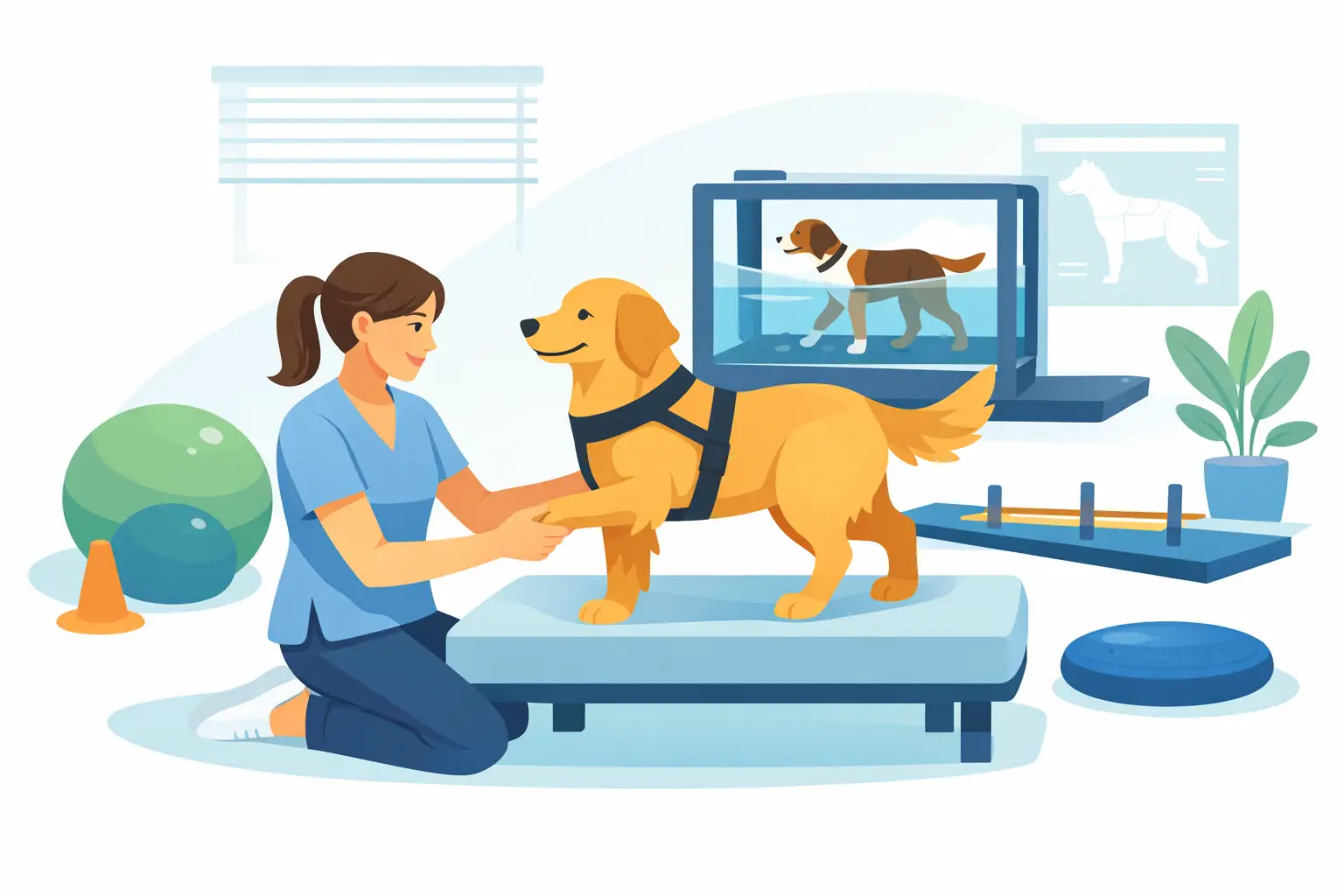
Therapeutic exercises are a core part of treatment. These may focus on strength, balance, range of motion, coordination, and controlled weight-bearing. Early on, the goal may be as simple as helping a dog stand evenly or take a few more comfortable steps. Later, the work may progress to rebuilding endurance and confidence during movement.
Manual therapy can also play a role. This may include guided stretching, joint mobilization, and hands-on techniques that help reduce stiffness and improve comfort. Dogs that have been favoring one leg for weeks often develop compensations in other parts of the body, so rehab is not only about the original injury. It is also about correcting the movement patterns that develop around it.
Some rehabilitation plans include modalities such as laser therapy, cold or heat therapy, or underwater treadmill work. Underwater treadmills are useful because the water supports part of the body weight while creating gentle resistance. That can allow a dog to move more comfortably while still building strength. It is especially helpful for some post-operative patients and dogs with arthritis, although not every dog is an ideal candidate.
Pain management is part of the picture too. Physical therapy does not always replace medication, and it should not be framed that way. Often, the best results come from combining rehabilitation with appropriate pain control, weight management, joint support, and follow-up veterinary care.
When Rehabilitation Helps Most
The best time to consider rehab is often earlier than pet owners think. If a dog is recovering from surgery, starting at the appropriate stage can help prevent muscle loss, reduce stiffness, and guide a safer return to normal activity. Waiting too long can make recovery slower because weakness and compensation patterns become more established.
For chronic conditions like arthritis, rehabilitation can help before a pet becomes severely limited. Many owners assume stiffness is just part of aging, but a dog that moves less often loses muscle, and less muscle support can put more stress on already sore joints. That cycle tends to feed itself. A thoughtful rehab plan can interrupt it.
Dogs with neurologic conditions may also benefit, but expectations need to be realistic. Some patients make major functional gains. Others improve more gradually or only partially. Even then, treatment may still be worthwhile if it helps with comfort, balance, safer mobility, or ease of care at home.
Signs Your Dog Might Need Physical Therapy
Some signs are obvious, like limping after surgery or difficulty getting up. Others are easier to miss because they show up gradually. A dog may no longer jump into the car, may sit down more often during walks, or may sway a little when turning. You might notice muscle loss in one hind leg, slower movement on hard floors, or reluctance to use stairs.
Behavior changes can matter too. Dogs in pain do not always cry or yelp. Some become quieter. Some seem irritable when touched near the hips, back, or shoulders. Others simply avoid activities they used to enjoy.
If you are noticing these changes, a veterinary evaluation is the right first step. Rehabilitation works best when it is built around an accurate diagnosis. Limping, weakness, and reduced mobility can come from arthritis, ligament injury, spinal disease, paw pain, or something else entirely. The treatment plan has to match the cause.
What to Expect at a Rehabilitation Visit
A rehabilitation appointment typically starts with a review of your dog’s medical history, current diagnosis, pain level, mobility, and goals. The veterinary team may assess gait, posture, muscle condition, joint movement, balance, and how your dog transitions from sitting to standing or walking to turning.
From there, the treatment plan is individualized. One dog may need short sessions focused on safe post-surgical recovery. Another may need a longer-term plan that combines pain relief, strengthening, and home exercises. Owners are usually part of that process because what happens at home matters just as much as what happens during appointments.
That home plan should feel realistic. A good rehabilitation program is not about overwhelming families with complicated instructions. It is about giving you manageable ways to support your pet between visits, whether that means controlled leash walks, simple balance exercises, help with footing on slippery floors, or guidance on activity restriction.
Can Dogs Get Physical Therapy Instead of Surgery?
Sometimes rehabilitation is used as an alternative when surgery is not the best option, but it depends on the diagnosis. For mild mobility issues, arthritis, or certain soft tissue injuries, conservative treatment may include rehab as a major part of care. In these cases, the goal is often to improve function, reduce pain, and maintain muscle without an operation.
But there are limits. A torn ligament, an unstable fracture, or a condition causing progressive neurologic damage may still need surgical treatment. Physical therapy can support recovery, but it cannot fix every structural problem. The honest answer is that rehab is powerful, not magical.
This is where a full-service veterinary setting matters. When diagnostics, surgery, rehabilitation, and ongoing follow-up are coordinated, your dog’s care tends to be more consistent. At All Creatures Veterinary Center, that kind of continuity helps families understand not just what treatment is available, but what makes the most sense for their individual pet.
The Benefits – and the Trade-Offs
The benefits of dog physical therapy can be meaningful. Many dogs gain strength, move with less pain, recover function more safely, and return to favorite routines sooner. For senior pets, improvements may show up in small but important ways, like easier standing, steadier walks, or more interest in family activities.
There are trade-offs too. Rehabilitation takes time, follow-through, and patience. Progress is not always linear. Some dogs love therapy sessions right away, while others need time to get comfortable. Cost is another practical factor, and the number of sessions varies depending on the condition and goals.
That does not make rehab less valuable. It simply means families deserve clear expectations from the start. The best plans are medically appropriate, financially realistic, and designed around what a dog and owner can actually sustain.
Helping Your Dog Get the Most from Rehab
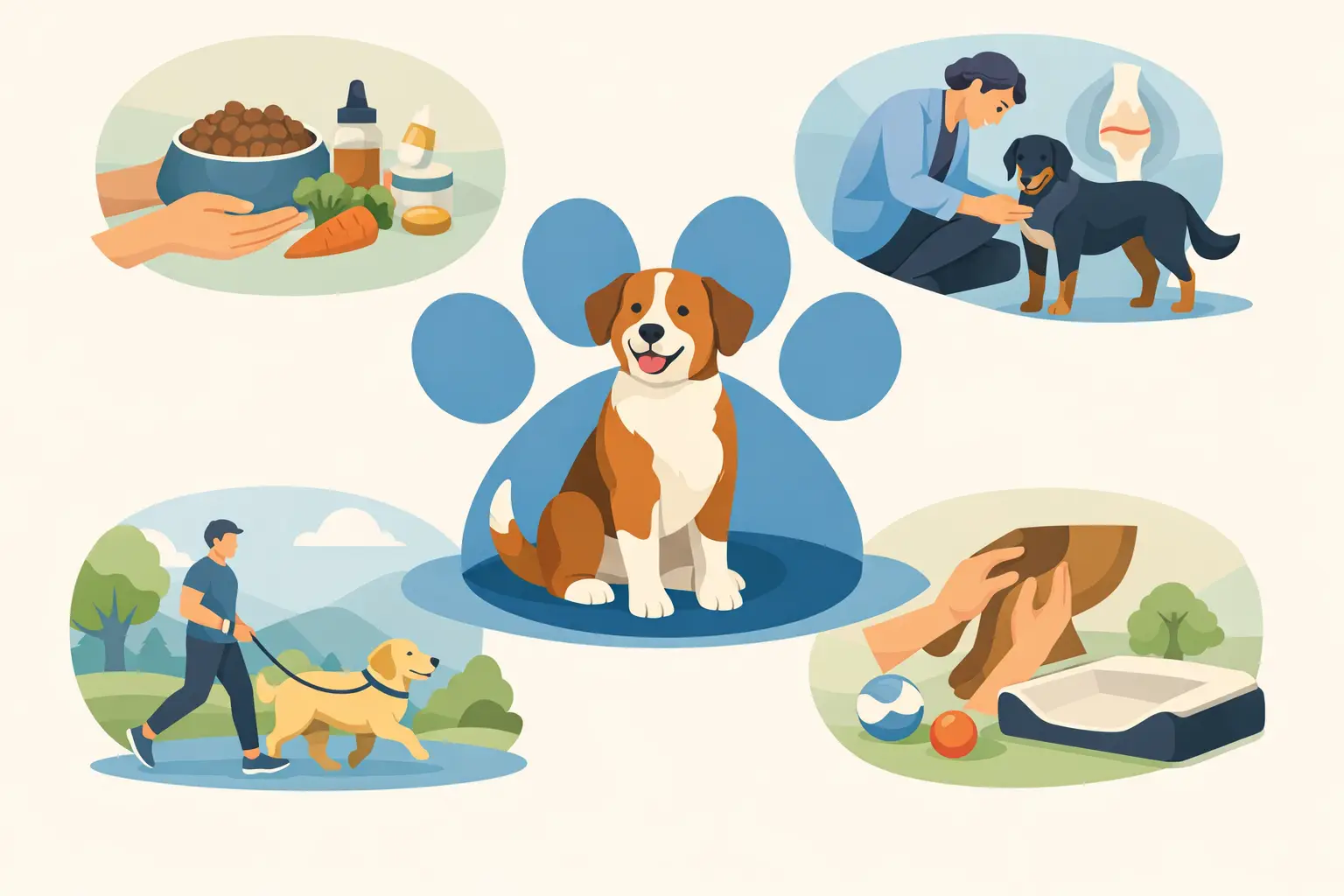
A successful rehabilitation program depends on consistency. If your veterinarian recommends rest, that matters as much as the exercises. If they recommend weight management, that is part of therapy too. Extra body weight places more stress on joints, slows movement, and can reduce the benefits of treatment.
Your home setup also matters. Rugs or traction mats can help dogs who slip on smooth floors. Ramps may reduce strain getting into cars or onto furniture. Short, controlled walks are usually better than bursts of weekend activity followed by soreness.
Most of all, pay attention to the small changes. Recovery is not always dramatic from one day to the next. Sometimes the first signs of progress are a smoother rise from bed, a more even gait, or a tail that starts wagging again during walks.
If your dog is slowing down, recovering from surgery, or struggling with pain or weakness, physical therapy may be worth discussing with your veterinary team. The goal is not just more movement. It is more comfortable movement, more confidence, and more good days with the family that loves them.