
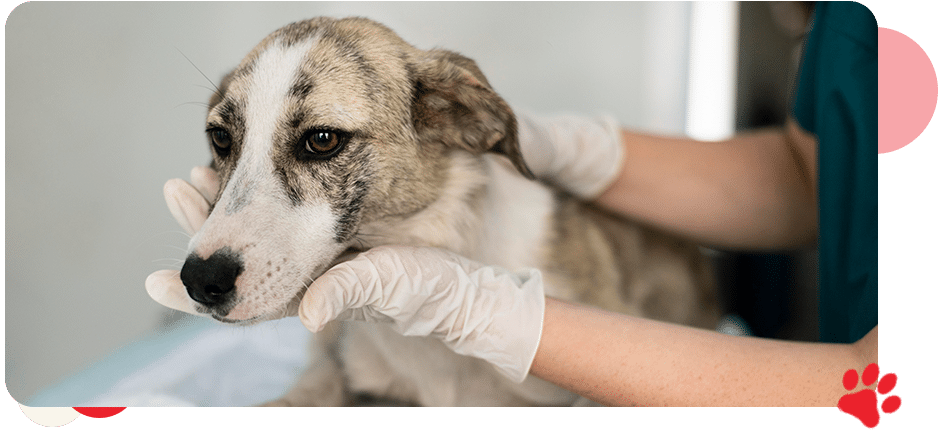
General Emergency and Trauma Care
A well-organized approach and prepared team can significantly improve pet outcomes in emergencies and trauma situations.
Initial assessment
- Check for responsiveness: Gently shake or call your pet.
- Breathing and pulse: Check if the pet is breathing and has a pulse. If not, begin CPR (Cardiopulmonary Resuscitation).
CPR for Pets
- Airway: Ensure the airway is clear. Remove any obstructions.
- Breathing: Give rescue breaths (small dogs and cats: cover the nose and mouth; larger dogs: cover only the nose).
- Circulation: Perform chest compressions.
Control Bleeding
- Direct pressure: Apply a clean cloth or gauze over the wound and press firmly.
- Elevate: If possible, elevate the injured area above the heart.
- Tourniquet: Use as a last resort for severe limb bleeding.
Fractures and Sprains
- Stabilize: Immobilize the injured area with a splint or padded bandage.
- Transport carefully: Minimize movement of the injured limb.
Poisoning
- Identify the toxin: Note any substances the pet may have ingested.
- Contact a vet or poison control: Immediately seek professional guidance.
- Induce vomiting: Only if instructed by a veterinarian.
Heatstroke
- Move to a cool area: Immediately get the pet out of the heat.
- Cool down: Use cool (not cold) water to lower body temperature gradually.
- Offer water: Encourage drinking small amounts of cool water.
Seizures
- Prevent injury: Clear the area of objects that might hurt the pet.
- Time of the seizure: Note the duration and any triggering factors.
- Do not restrain: Allow the seizure to run its course, then comfort the pet.
Burns and Scalds
- Cool the burn: Rinse the area with cool water for at least 10 minutes.
- Cover the burn: Use a clean, non-stick dressing or cloth.
- Seek veterinary care: Burns can be severe and need professional treatment.
Choking
- Mouth sweep: Carefully open the mouth and remove any visible obstruction.
- Heimlich maneuver: For dogs, compress the abdomen just behind the ribs. For cats, use gentle pressure.
Shock
- Keep warm: Cover the pet with a blanket.
- Monitor vitals: Check pulse and breathing regularly.
- Elevate legs: If there are no fractures, elevate the hind legs slightly.
Trauma (e.g., hit by a car)
- Limit movement: Minimize handling to prevent further injury.
- Support injured areas: Use a stretcher or a solid board for transport.
- Immediate vet care: Trauma can cause internal injuries requiring urgent attention.
Emergency Kit Essentials
- Gauze and bandages
- Adhesive tape
- Antiseptic wipes
- Scissors
- Tweezers
- Digital thermometer
- Hydrogen peroxide (to induce vomiting if advised)
- Muzzle (to prevent biting during treatment)
- Emergency contact numbers (vet, animal poison control)
Remember to stay calm and seek professional help as soon as possible.
Here is a list of pet emergency and trauma cases for pets that should be seen by a veterinary hospital immediately:
Life-Threatening Emergencies
- Severe trauma: Hit by a car, falling from a height, or any major blunt force injury.
- Severe bleeding: Uncontrolled bleeding from any part of the body.
- Difficulty breathing: Any respiratory distress or abnormal breathing patterns.
- Unconsciousness or unresponsiveness: Sudden collapse, fainting, or coma.
- Seizures: Continuous seizures or seizures lasting more than 5 minutes.
- Poisoning or toxin ingestion: Ingesting harmful substances (e.g., antifreeze, rodenticides, toxic plants).
- Bloat (Gastric Dilatation-Volvulus): Swollen abdomen, unproductive retching, and signs of severe pain.
- Choking: Airway obstruction that is not relieved immediately.
Urgent Medical Conditions
- Fractures or severe lameness: Any suspected broken bones or inability to walk.
- Eye injuries: Any trauma or injury to the eye, including foreign objects.
- Heatstroke: Signs of overheating, excessive panting, drooling, and collapse.
- Severe vomiting or diarrhea: Especially if accompanied by blood or lasting more than 24 hours.
- Inability to urinate or defecate: Straining without producing urine or feces, which could indicate a blockage.
- Persistent coughing or gagging: This could indicate a respiratory or cardiac issue.
- Allergic reactions: Swelling, hives, or difficulty breathing.
- Prolapsed organs: Any visible internal organs, such as a prolapsed rectum or uterus.
Serious but Not Immediately Life-Threatening Conditions
- Wounds and lacerations: Deep cuts or wounds that may require stitches.
- Burns or scalds: Chemical, thermal, or electrical burns.
- Swelling or masses: Sudden onset of swelling or growths.
- Ingestion of foreign objects: Swallowed items that could cause a blockage.
- Severe pain: Any signs of acute pain, such as whining, limping, or guarding a body part.
- Neurological symptoms: Disorientation, loss of balance, or changes in behavior.
Reproductive and Neonatal Emergencies
- Dystocia (difficulty giving birth): Prolonged labor or visible distress during birthing.
- Neonatal distress: Weak, non-responsive, or struggling newborn puppies or kittens.
Other Conditions Warranting Emergency Care
- Suspected poisoning or drug overdose: Ingesting medications or substances not meant for pets.
- Severe allergic reactions: Hives, facial swelling, and anaphylaxis.
- Sudden collapse or weakness: Sudden onset of lethargy or collapse without a clear cause.
- Severe dehydration: Persistent vomiting or diarrhea leading to dehydration.
- Exposure to extreme temperatures: Hypothermia or hyperthermia.
In any of these cases, it is crucial to contact a veterinary hospital immediately and seek professional care to ensure the best possible outcome for your pet. Visit All Creatures Veterinary Center Or Call us at (661) 291 – 1124

